Day: April 2, 2026

Preparing for a Cyber-Safe Vacation

As May rolls around, the warmth of summer beckons, and for many of us, thoughts turn to vacation planning. Whether you’re dreaming of sandy beaches, bustling city streets, or serene mountain retreats, the anticipation of an upcoming getaway is undeniably exciting. But as you start envisioning your perfect escape, it’s essential to consider a factor that might not be top of mind: cybersecurity.

While you may not be lounging on a beach chair just yet, taking proactive steps to ensure your cyber safety while planning your vacation can save you from potential headaches down the road. From securing your devices to staying vigilant against online threats, a little preparation can go a long way in safeguarding your digital well-being during your travels. So, as you begin mapping out your summer adventures, keep in mind the importance of staying cyber-safe every step of the way.
Social Engineering Techniques Used in Phishing Emails: How to Recognize Them

Social engineering is a technique that cybercriminals use to manipulate people into divulging sensitive information. One of the most common ways they do this is through phishing emails. Phishing emails are designed to look like they come from a legitimate source, such as a bank or social media site. They often contain a link or attachment that, when clicked, can install malware or direct the victim to a fake login page where they unwittingly give away their login credentials.

Is Your Business at Risk for Cyber Fraud?

In an era where online transactions reign supreme, the threat of cyber fraud looms large over businesses and consumers alike. While factors like the COVID-19 pandemic have accelerated the shift toward digital commerce and communication, the underlying risks associated with cyber fraud have been steadily growing for years. From fake booking scams in the hospitality industry to sophisticated ransomware attacks targeting healthcare providers, the landscape of cybercrime is vast and ever-evolving.

The Importance of Updating Your DMARC Policy for Enhanced Email Security

Email remains a primary communication tool for both personal and professional use, but it also continues to be a significant vector for cyber attacks. Recently, the FBI and NSA have emphasized a crucial step that all email users and administrators should take to bolster their email security: updating your DMARC policy. This recommendation comes in light of new security measures implemented by Google to protect Gmail users, highlighting the broader importance of domain authentication in preventing email-based threats.

Passwords: Our Primary Defense Against Cyber Threats – A New Era of Cybersecurity

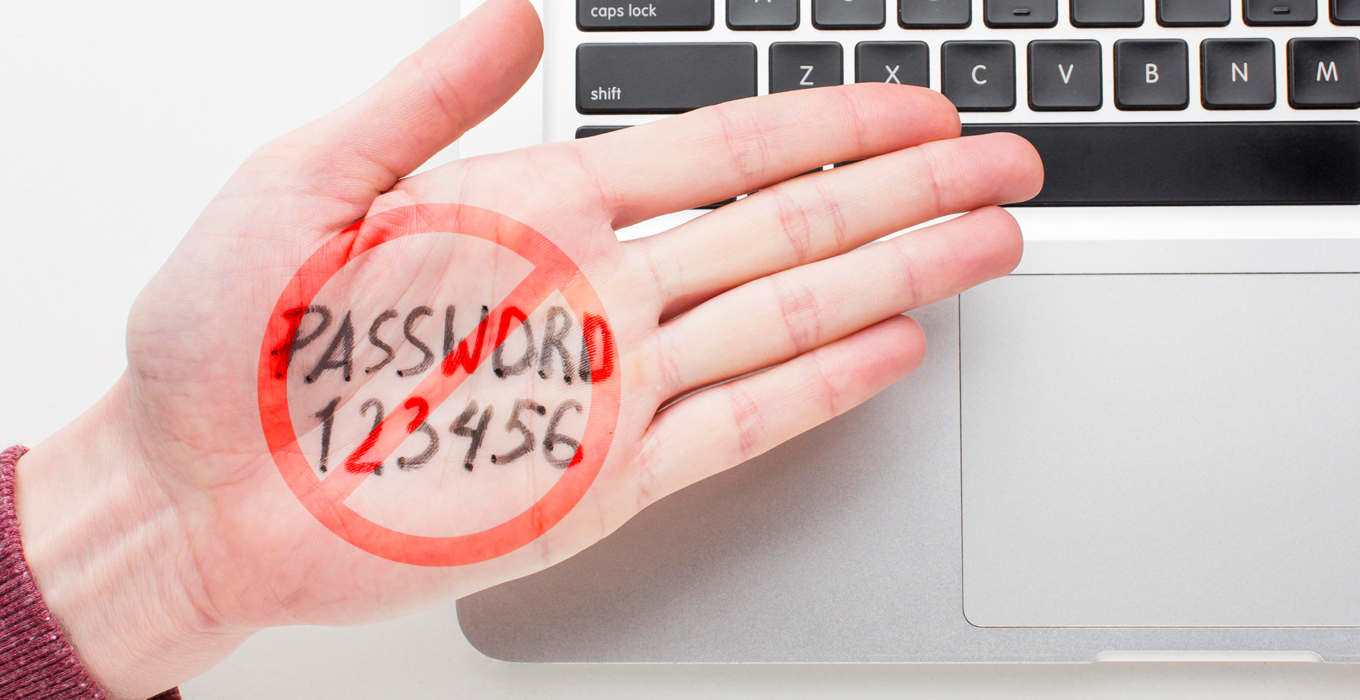
Passwords are our primary defense against cyber threats. Yet, many of us fall into the trap of using generic, easy-to-remember passwords, compromising our security. This blog will delve into the risks associated with generic passwords, what US and Canadian businesses and users should understand about the UK’s new ban on weak default passwords, and strategies for creating robust, secure passwords.

Don’t Copy & Paste This Dangerous Text

A new warning for Google Chrome users has emerged, carrying a critical yet straightforward piece of advice: avoid copying and pasting unfamiliar text into your terminal or run dialog box. This advice comes from cybersecurity firm Proofpoint, which has identified a new technique cybercriminals are using to spread malware.

Contacts